

In modern sports broadcasting, speed matters more than ever. Audiences expect highlights almost instantly. Editors work under constant time pressure. At the same time, every clip must look clean and consistent across platforms.
This is where AI video reframing has changed the workflow. By automating repetitive editing tasks, broadcasters can cut down hours of manual work while still delivering polished, platform-ready content.
Why Reframing Became a Major Time Drain
Sports content no longer lives on one screen. A single moment must work on television, social media, mobile apps, and short-form feeds.
Traditionally, editors handled this by hand. They cropped and resized footage for each format. A clip designed for 16:9 television had to be manually adjusted for 9:16 vertical video and 1:1 square feeds. While the task sounds simple, it often required frame-by-frame adjustments.
For fast-moving sports, the problem grew quickly. Football transitions, tennis rallies, or motorsport action leave little margin for error. Manual reframing slowed production and created bottlenecks, even for experienced teams.
How AI VideoReframing Changes the Editing Process
AI video reframing removes the need for constant manual adjustment. Instead of dragging crop boxes, editors rely on intelligent systems that understand where the action is.
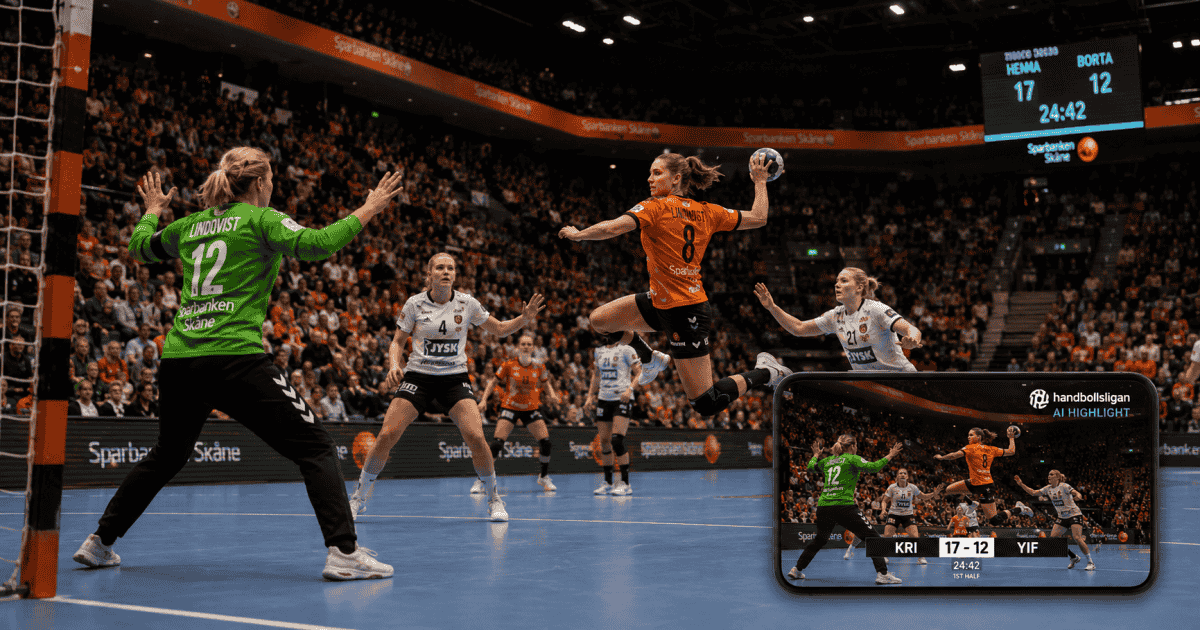
AI models analyze motion, detect key subjects, and adjust framing automatically. The crop shifts smoothly as the play unfolds. The result looks intentional, not mechanical.
At the same time, modern automated editing tools do more than resize clips. They track faces, follow movement, and keep important action centered. This reduces the repetitive groundwork that used to dominate editing sessions.
A Smarter Reframing Workflow with Zentag AI
Many broadcasters now treat reframing as part of a larger automation pipeline rather than a separate task. This is where Zentag AI stands out.
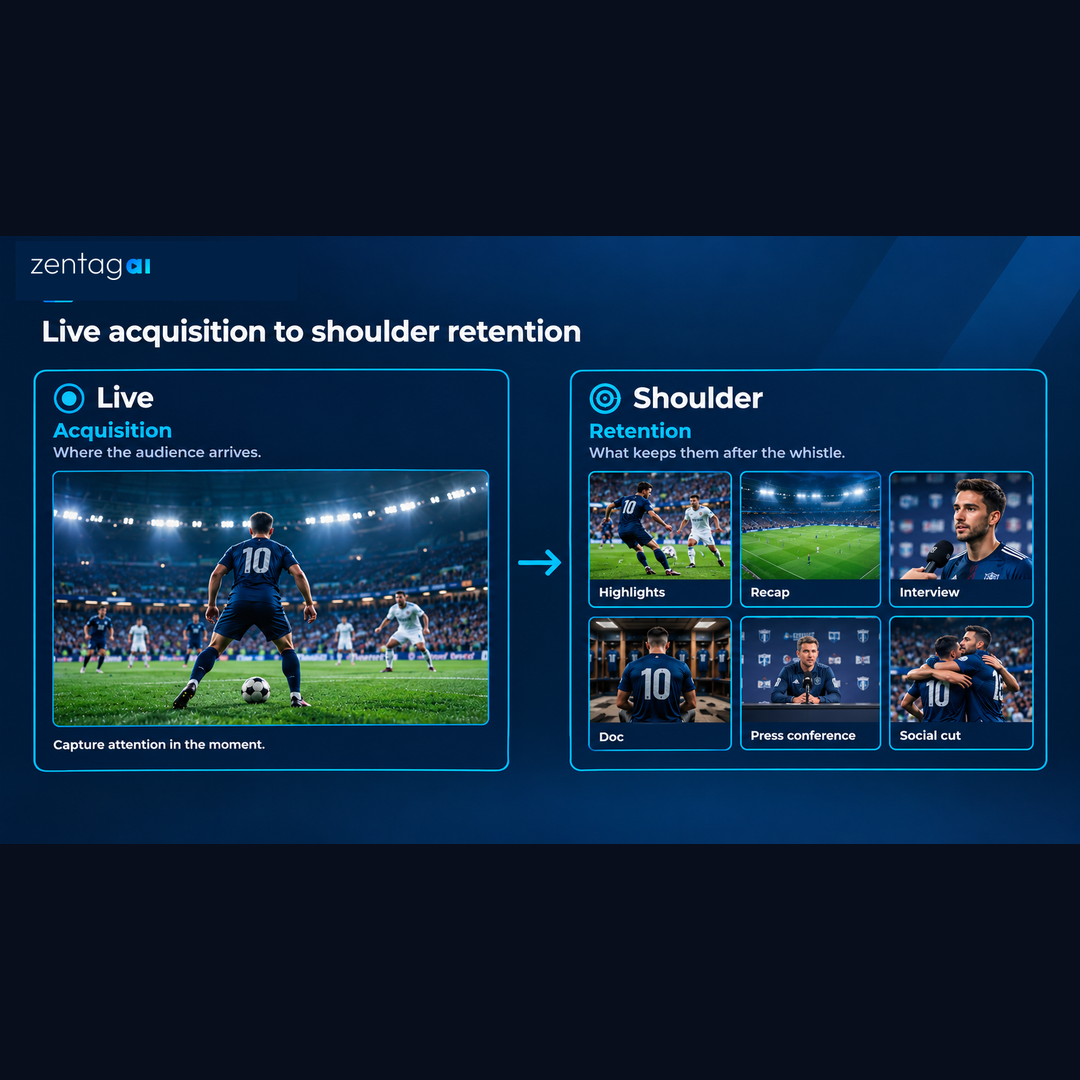
Zentag AI combines highlight detection with AI-powered cropping in a single workflow. Instead of editing multiple versions manually, the system prepares clips for different aspect ratios at the same time. Each version stays visually consistent and ready for distribution.
This approach works especially well for broadcasters serving OTT platforms, social channels, and regional feeds. Content teams no longer rebuild the same clip again and again. The system handles it instantly.
Why Reframing Automation Matters Going Forward
The demand for vertical and short-form content keeps growing. Broadcasters who once focused only on horizontal screens now need mobile-first and social-first output.
Manual reframing cannot scale to this volume. Editors simply run out of time.
AI video reframing solves this by processing clips in seconds. What once took minutes or hours now happens almost immediately. This speed becomes critical as leagues and broadcasters experiment with real-time content delivery.
More Than Speed: Protecting Creative Time
The real value of AI reframing is not just faster edits. It is better use of human skill.
When AI handles cropping and resizing, editors spend less time on low-value tasks. Instead, they focus on storytelling, highlight selection, and final polish. Creativity moves back to the center of the workflow.
Because automated editing tools manage the mechanical work behind the scenes, broadcasters can also maintain consistency across sports, regions, and platforms without sacrificing quality.
Conclusion
AI video reframing is no longer a convenience. It has become a necessity for modern sports broadcasting.
By combining subject tracking, multi-aspect auto reframing, and AI-powered cropping, platforms like Zentag AI help broadcasters recover hours of manual editing time. More importantly, they allow teams to deliver faster, scale smarter, and focus on creative decisions that truly matter.
The future of broadcasting belongs to teams that automate the repetitive and elevate the creative.
Read more: Why Broadcasters Struggle With Real-Time Sports Content and How Zentag AI Fixes It
Visit: Home page