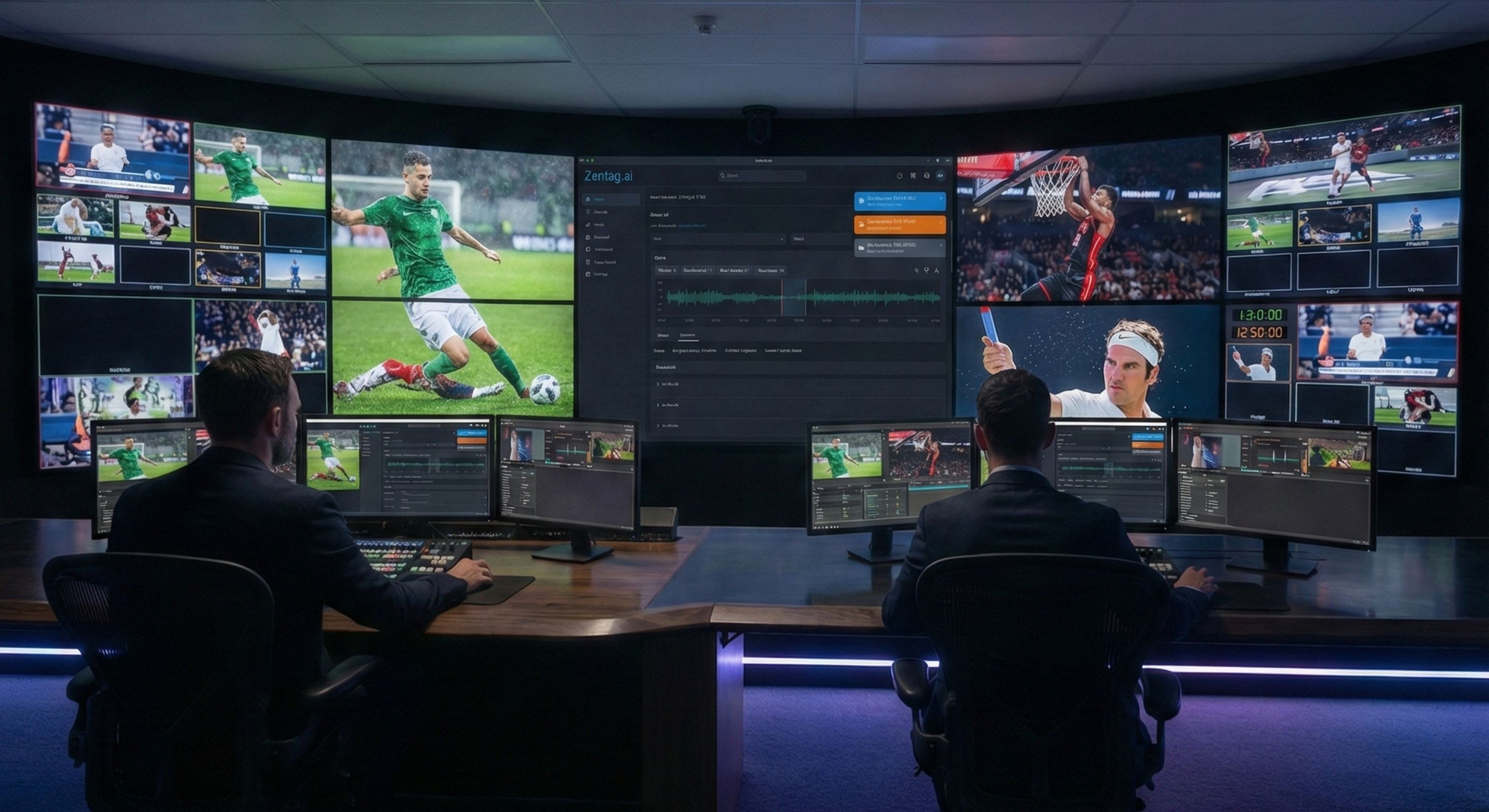


Sports broadcasters have invested heavily in technology. High-end cameras, large production crews, and powerful distribution platforms are now standard. Yet despite all this infrastructure, one challenge continues to cause problems. Speed.
The issue is not what happens on the field. It is how quickly moments reach the audience. Fans no longer wait for full match recaps. They want highlights while the game is still unfolding. Meeting that expectation has become one of the hardest tasks in modern sports media.
The Reality of Live Sports Production
Live sports production is unpredictable by nature. Multiple matches often run at the same time. Action peaks without warning. Editors must spot key moments, clip them, format them, and publish them immediately.
In theory, the process sounds manageable. In practice, it creates constant pressure.
Editors cannot watch every feed at once. Important moments get delayed or missed. Content teams spend most of their time reacting instead of planning ahead. When everything depends on manual effort, real-time sports content becomes fragile and inconsistent.
Where Traditional Workflows Start to Fail
Most broadcast workflows were designed for post-match storytelling. That model worked when highlights aired hours later or the next day. Today, it no longer fits how audiences consume sports.
Several problems appear during live events:
Editors become overwhelmed
Delays build up during manual review
Content formats vary across platforms
Costs rise just to maintain coverage
Scaling across regions or niche sports becomes difficult
These are not creative issues. They are operational limits. They are also the main reason real-time sports content remains difficult to deliver consistently.
Why Speed Has Become a Competitive Advantage
In today’s media landscape, being first matters. A goal shared within seconds drives engagement. The same clip posted minutes later often gets ignored.
Because of this, speed now defines competitiveness. Broadcasters who publish quickly stay relevant. Those who fall behind lose attention.
This shift has pushed many teams toward live sports content automation. Not as an experiment, but as a necessity. Automation allows systems to respond instantly in ways manual teams simply cannot match at scale.
The goal is not perfection. The goal is relevance.
How Automation Changes the Workflow
Automation removes the panic from live production. Instead of waiting for an editor to notice a moment, automated systems monitor the feed continuously and react when something important happens.
This does not replace people. It supports them.
Technology handles repetitive and time-sensitive tasks. Editorial teams focus on judgment, context, and storytelling. As a result, stress levels drop, quality improves, and output increases without expanding headcount.
This is where AI-driven media workflows begin to show real value.
Where Zentag AI Fits In
As broadcasters rethink their workflows, platforms like Zentag AI stand out because they solve a very specific problem. They help teams deliver real-time sports content without exhausting their staff.
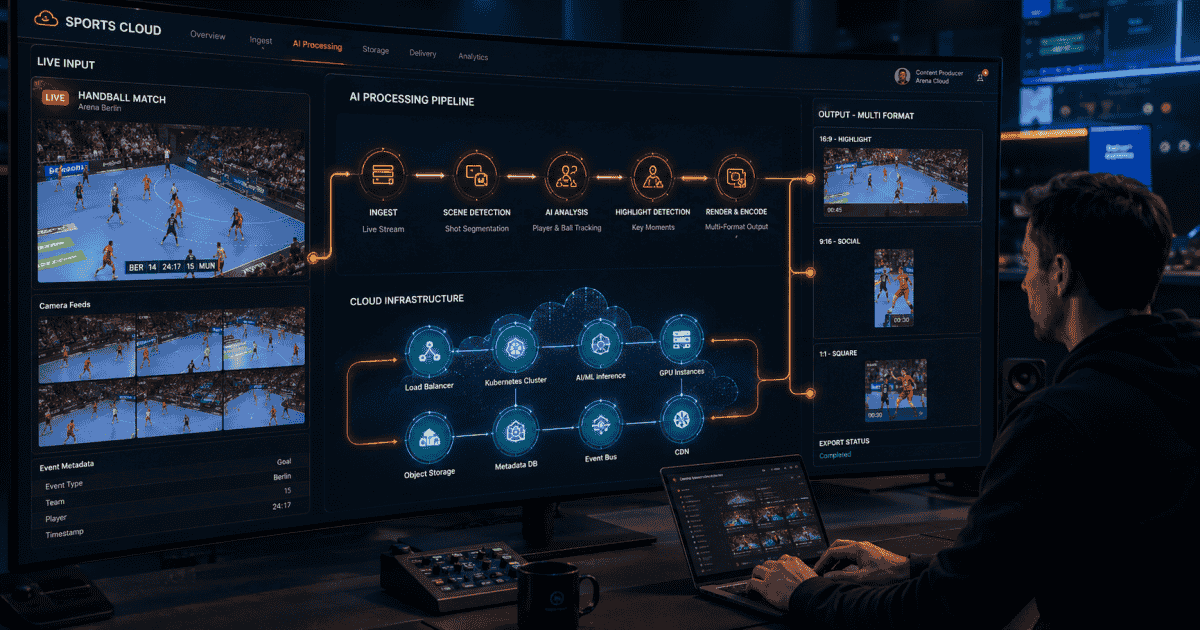
Zentag AI automates highlight detection and preparation as events happen. Content moves smoothly through the pipeline instead of getting stuck in manual steps. Teams no longer need to add more editors just to stay fast.
The result is not only quicker publishing. It is a more stable and predictable operation, even during high-pressure live events.
Smaller Teams, Bigger Results
Automation is especially powerful for smaller leagues and regional broadcasters. These teams often struggle the most because they lack large production budgets.
With automation, they can produce professional-quality highlights without massive crews. Output increases without a matching increase in cost. In many cases, automation allows them to compete with much larger players.
In this way, live sports content automation creates opportunity, not just efficiency.
What Changes When Workflows Get Smarter
When automation handles the basics, teams work differently:
Editors stop scrubbing hours of footage
Producers focus on story and strategy
Content reaches audiences faster
Output scales without burnout
These changes fix problems that manual workflows never could. They also make live production more sustainable.
Looking Ahead
Demand for real-time content will continue to grow. Audiences are fragmenting across platforms. Expectations are rising, not falling.
Broadcasters that treat automation as a core workflow element will be ready for what comes next. Those who rely only on manual processes will continue to struggle under pressure.
The future belongs to teams that move fast, scale smart, and deliver moments while they still matter.
Conclusion
Real-time sports content is now the standard. Delivering it consistently remains one of the toughest challenges in broadcasting.
Manual workflows cannot keep up with modern volume and speed. By adopting AI-driven media workflows and embracing live sports content automation, broadcasters can stop reacting and start leading.
Solutions like Zentag AI show that speed and quality do not have to compete. When automation is done right, broadcasters can achieve both.
Read more: How AI Reframing Saves Broadcasters Hours of Manual Editing
Visit: Home page